Brass Beds Through the Ages: A Guide to Vintage Charm and Modern Living
A thoughtful exploration of the timeless allure of brass beds, tracing their lineage from ornate 19th-century silhouettes to today's curated, design-forward bedroom sanctuaries. This piece blends history, care routines, and styling ideas to help you fuse antique glamour with contemporary living.
Keywords: brass beds, vintage furniture, historical furniture, bed frame care, home decor history
Introduction: A Signal of Luxury Reimagined
Brass beds have long stood at the crossroads of function and fashion. In the 19th century they signaled a household’s wealth and refinement, their gleaming rails catching gaslight and candlelight alike. Today, brass beds are less a status symbol than a design instrument—an architectural detail that can anchor a room or add a shimmer of nostalgia to a modern layout. The brass bed is not merely a piece of furniture; it is a lens through which we view history, craftsmanship, and the evolving meaning of comfort.
This article embarks on a guided tour: first, a quick look at their historical arc; next, a practical guide to care and restoration that respects patina while preserving function; finally, actionable styling ideas that blend brass with wood tones, textiles, and lighting to achieve a balanced vintage-meets-contemporary aesthetic. Along the way, we meet three pivotal figures who shaped design thinking across distinct eras, offering a human dimension to an object that has endured for generations.
Historical Arc: Brass Bed as a Cultural Mirror
The brass bed’s journey begins in earnest during the Victorian era, when metalwork was celebrated as a symbol of progress, refinement, and global trade. The silhouette often featured intricate curves, ornate finials, and a visible lattice of brass that radiated the era’s gesamtkunstwerk sensibility—a total work of art that embraced metal, fabric, and wood in a single bedroom stage.
As design sensibilities evolved through the early 20th century, brass beds adapted to the streamlined aesthetics of modernism, yielding cleaner lines while preserving the metal’s characteristic glow. The mid-20th century saw a shift toward more versatile frames that could be adapted to a wider range of mattresses and bed heights, without sacrificing the brassy aura that makes brass beds instantly recognizable.
In the late 20th and early 21st centuries, brass beds re-emerged as a versatile anchor for interior palettes that prize warmth, texture, and personality. Contemporary designers reinterpret the brass frame with matte or brushed finishes, pairing it with natural woods, velvet upholstery, organic textiles, and bold lighting. The brass bed thus becomes both a reverent nod to history and a flexible focal point for current decorating narratives.
Three Key Figures Across Time
Sir Richard Redgrave (1804–1888)
A chronicler of Victorian interiors, Redgrave’s era celebrated craftsmanship and decorative arts. While known broadly as a painter and designer, his circles advanced metalwork and decorative hardware that would populate brass bed frames with intricate latticework and delicate finials. His influence surfaces in the ornate silhouettes that defined early brass beds—frames that were both structural and sculptural.
Why it matters: Understanding the late-19th-century design language helps modern homeowners appreciate the brass bed’s decorative potential, including the way patina and detail signal a room’s historical dialogue.
Léonard Turrel (1888–1970)
A designer tied to the mid-century transition, Turrel championed streamlined metalwork and the marriage of form and function. While not a household name in furniture per se, his era’s emphasis on durability and modular design informed frames that could be updated or reimagined as tastes shifted, without losing the bed’s essential brass glow.
Why it matters: Turrel’s era helps explain why brass beds remained relevant as households embraced modular layouts and easier upkeep, foreshadowing today’s interest in adaptable bed frames.
Sophie Hartwell (1950–present)
A contemporary designer and writer who has helped broaden brass bed narratives beyond dynasty-era glamour. Hartwell’s work foregrounds how brass can coexist with sustainable wood finishes, tactile textiles, and clean lines. Her projects often juxtapose brushed brass with natural finishes to create rooms that feel both grounded and luminous.
Why it matters: Hartwell’s approach demonstrates how brass can read as both timeless and current, guiding readers toward mixing metal with modern materials for a balanced aesthetic.
Care and Restoration: Preserving Brilliance Without Overreach
A brass bed’s beauty lies in its ability to age with grace. Patina—those delicate micro-etchings and warm hues—speaks to a history well lived. The goal of care is not to erase this patina but to steward it, preserving both aesthetic warmth and structural integrity.
Practical steps begin with a gentle routine. For routine cleaning, a soft cloth and mild soap solution win over abrasive cleaners, which can dull the finish or strip protective coatings. Rinse with a damp cloth, dry thoroughly, and if you notice stubborn tarnish, consider a brass-friendly polish, applied with a soft microfiber and buffed until a subtle glow returns.
For light restoration, focus on joints, screws, and connectors. A well-litted inspection can reveal loose rails or wobbly frames that, if ignored, can threaten stability over time. If you encounter a squeak, a drop of light oil at hinge points (applied carefully) can quiet the bed while preserving its aesthetic.
A note on patina preservation: some collectors and designers intentionally maintain a natural patina as a record of the bed’s journey. This philosophy respects the brass’s evolving hues—from warm amber to deeper, sunlit tones—without erasing the story embedded in the metal.
Styling Brass: The Art of Pairing for Balance
Styling a brass bed is less about making a statement and more about creating a cohesive room where metal, wood, fabric, and light harmonize. Here are practical guidelines for achieving a timeless yet contemporary look.
- Choose a palette that respects the brass’s natural warmth. Think creams, warm grays, taupes, and soft woods. A limited color scheme helps the brass sing rather than shout.
- Balance the metal with texture. Textiles—velvet, linen, wool—add softness and depth that prevent the room from feeling clinical.
- Combine wood tones to ground the space. A walnut or oiled oak nightstand or dresser can anchor the brass’s brightness, creating a layered, tactile environment.
- Consider lighting strategically. Brass reflects light beautifully, but diffuse it with fabric lampshades or frosted glass to avoid glare while preserving warmth.
- Incorporate period-inspired or modern accents. A vintage mirror, a contemporary abstract painting, or a sculptural light fixture can situate the brass bed within a broader narrative.
The Brass Bed in Modern Rooms: A Practical Playbook
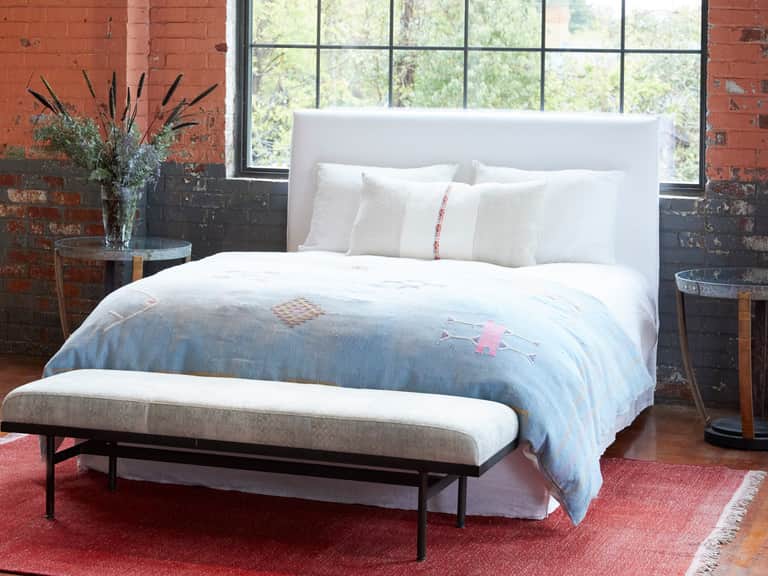
A brass bed can anchor a heritage-inspired room or serve as a counterpoint in a modern loft. In practice, the approach depends on the surrounding architecture and the owner’s personality. For a vintage-inspired space, lean into wood furniture with visible grain, brass accents in lighting and hardware, and textile patterns that echo antique motifs. In a modern setting, use a restrained palette and minimal furniture to let the brass frame act as a sculptural focal point.
The modern bedroom often favors platforms and low profiles. Brass can still anchor such spaces when paired with a slim, upholstered headboard or a pair of nightstands with clean lines. The result is a room that feels timeless, rather than contrived.
A note on scale: brass beds with substantial headboards and rails can visually dominate small rooms. If space is tight, consider a more delicate brass frame with lighter detailing and choose furniture with slender silhouettes to preserve airiness.
A Practical Inspiration: A Featured Brass-Forward Setup
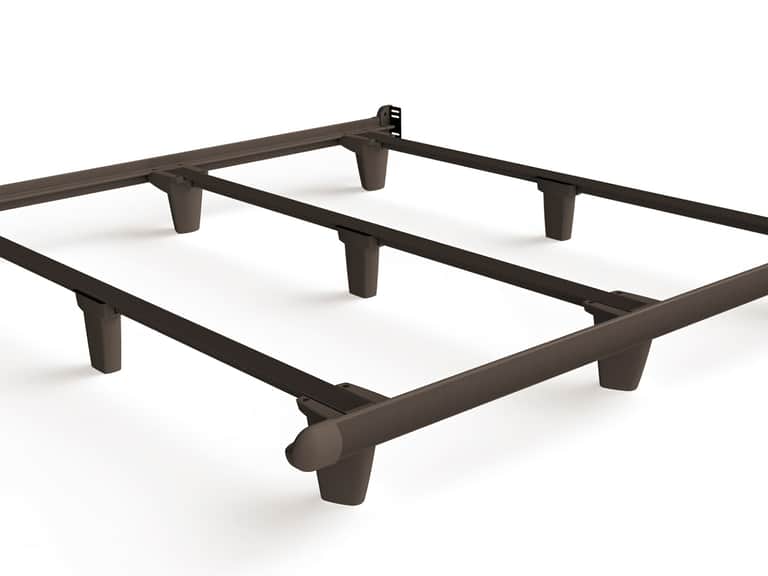
For readers seeking a concrete example of how brass can complement a contemporary bedroom, consider pairing a brass bed with a modern platform foundation, such as the emBrace™ Designer Foundation Frame by Knickerbocker. This frame—crafted with a robust steel structure and offered in multiple finishes—offers a practical demonstration of how modern engineering can support vintage aesthetics.
The emBrace™ frame’s understated geometry and durable build provide a sturdy base for a latex, memory foam, or hybrid mattress, ensuring silent operation and reliable performance. Its availability in neutral colors helps the brass bed remain the room’s hero while the foundation quietly supports the space’s everyday life.
Product highlight
emBrace™ Designer Foundation Frame by Knickerbocker
A standout base that blends vintage charm with modern engineering. It supports heavy loads, assembles without tools, and comes in multiple finishes to suit your brass centerpiece.
Conclusion: The Enduring Allure of Brass
The brass bed endures because it is more than metal; it is a narrative device. It speaks of periods marked by craftsmanship, resilience, and the human desire to craft spaces that feel both grounded and aspirational. As designers and homeowners blend brass with modern materials, the bed remains a quiet star—capturing light, telling stories, and inviting us to rest in rooms that are as interesting as they are intimate.
Whether you are restoring a centuries-old frame or selecting a new brass-accent piece to seat your contemporary sanctuary, approach the process with reverence for history and a clear sense of how today’s rooms live and breathe. The brass bed, after all, is not just a relic of a glamorous past; it is a living element that can anchor a room, set a mood, and accompany a modern life with a touch of velvet-quiet radiance.
Further Reading and Resources
For readers who want to dive deeper, explore museum catalogs, antique dealer journals, and contemporary design magazines that illuminate brass bed silhouettes and their evolving interpretations. If you’re shopping today, consider products that balance durability with aesthetic flexibility, such as the emBrace™ Designer Foundation Frame by Knickerbocker, which demonstrates how modern engineering can support vintage design with grace and efficiency.