Daybeds are versatile furniture pieces that blend seating and sleeping functions, often serving as space-saving solutions in bedrooms, guest rooms, or living areas. They typically feature a low profile and a twin-sized sleeping surface, with construction that supports daily use. Materials such as metal, wood, and upholstered frames influence durability, comfort, and aesthetic harmony with bedding, sheets, and organic mattresses.
Within brassbed.com, daybeds emphasize sturdy foundations, ergonomic support, and timeless design. The Cisco Home Richard Daybed exemplifies a blend of decorative metalwork and practical form, offering a reliable sleeping surface with a refined silhouette. Understanding frame construction, slat systems, and weight tolerance helps determine long-term usability and compatibility with innerspring or memory foam mattresses.
Key characteristics to consider include mattress support type, whether a daybed uses a trundle, and the suitability for adjustable beds where applicable. For bedding and linens, a daybed requires appropriately sized sheets and a snug-fitted approach to prevent shifting, while ensuring adequate airflow for comfort and climate control with organic mattresses.
Functional benefits of daybeds include guest accommodations without a full bed frame, flexible placement in living spaces, and the ability to convert seating into a sleeping surface quickly. When selecting a daybed, assess upholstery options, finish durability, and compatibility with standard bedding sizes to maintain a cohesive room aesthetic and practical usability.
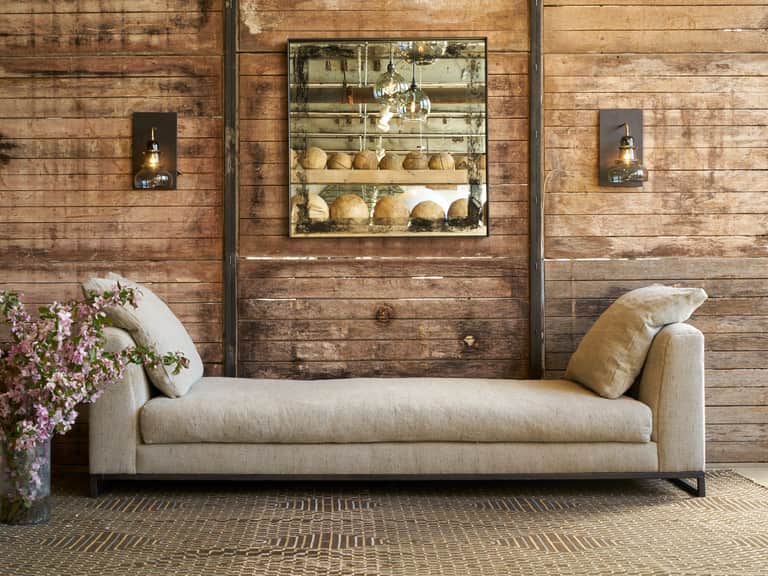
Cisco Home Richard Daybed combines decorative detail with practical use, highlighting how a well-designed daybed can integrate with a broader sleep system. Consider how bedding, including innerspring and organic mattress choices, interacts with the frame, slat support, and overall bed height to achieve balanced comfort and easy maintenance.
 Furniture